 MEMBERSHIP LOGIN
TOPS: Edmonton Int'l Raceway's Unique Rewards Structure for Racers
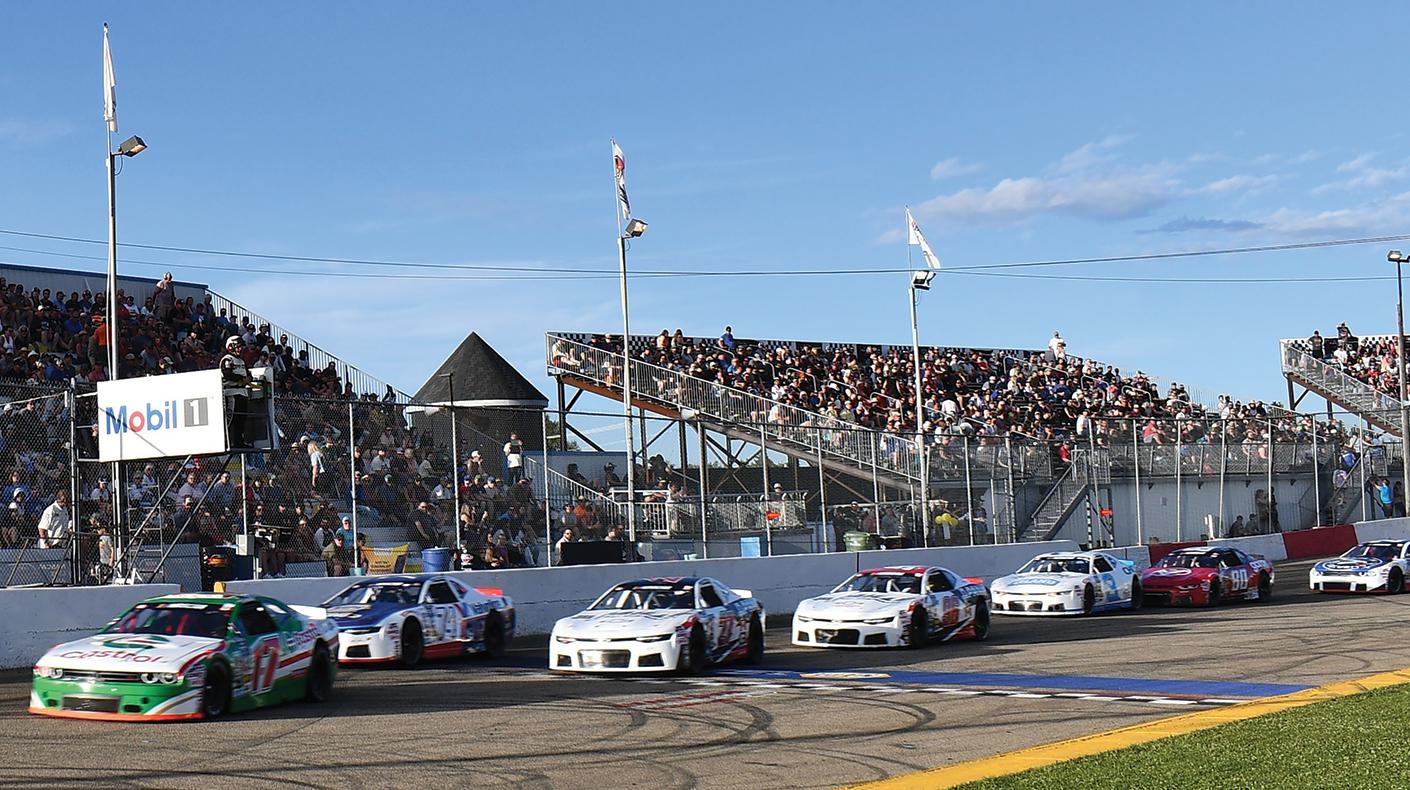
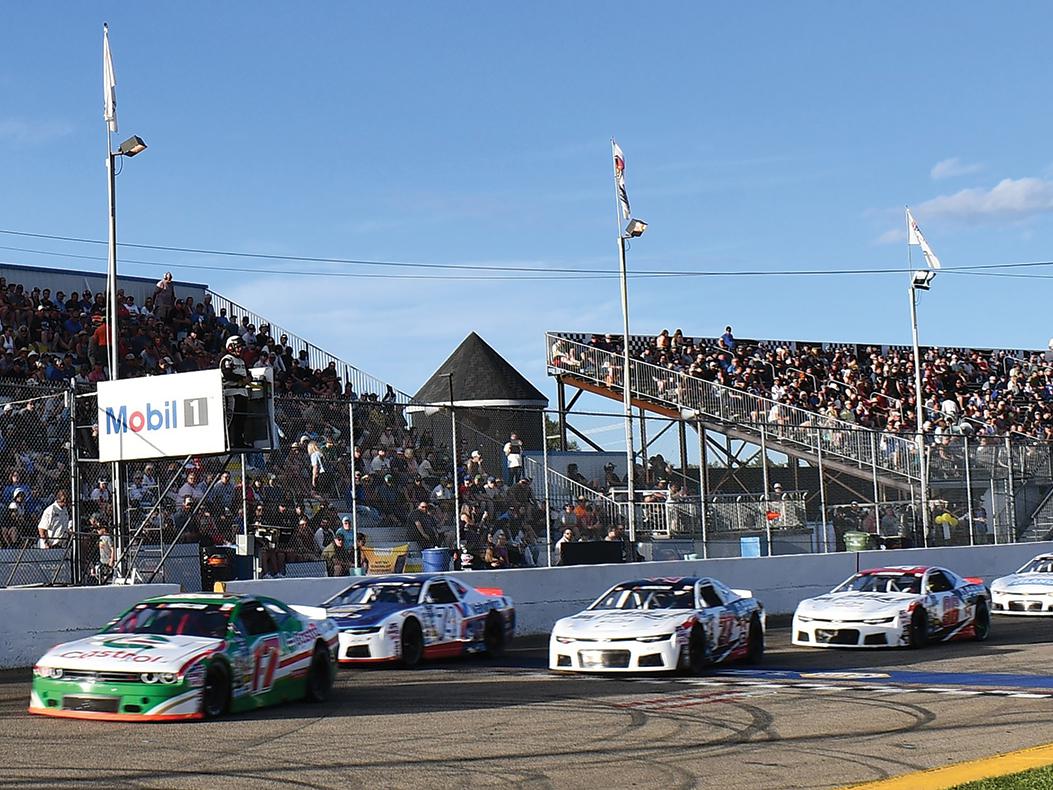
This 1/4-mile paved oval in Canada has implemented real programs that have seriously increased racer loyalty, with many traveling up to three hours to participate on race night.
Canadian sports fans are passionate about hockey, but in metropolitan Edmonton, Alberta, a segment exists that is just as enthusiastic about motorsports, especially the competitors who call Edmonton International Raceway (EIR) their racing home. This 1/4-mile paved oval, located in Wetaskiwin, has implemented a variety of programs that have resulted in racer loyalty. Many of them travel up to three hours to participate in various race classes, including NASCAR Late Models (feature division), Thunder Cars (mid-level division), and Pure Stocks (entry-level division); Future Stocks; Enduro; Stackers; IMCA Modifieds; Mini Cups, Hit To Pass; and Baby Grands. But they aren't drawn by a big payout. In fact, many of the track's classes don't even offer a purse for regularly scheduled events.
"What we've designed is a closer relationship with our racers," explained Loretta Thiering, who has owned the racetrack with her husband Ron for just over 30 years. "The racers do race without prize money at our track," but still receive trophies for first, second, and third place.
She continued, "For our racers, we keep their prices low. We keep the rules very simple. We don't allow the brand-new shocks that are out there for the Late Models. We take these old cars, and we give them a home at our racetrack so people can race using cars that are sometimes 10 to 15 years old."
EIR has developed a culture that is welcoming to fans, racers, and sponsors. Read on to find out how a non-traditional formula keeps this track in business, and how it remains a relevant destination point for the motorsports community.
NASCAR's Connection
EIR is the only NASCAR-sanctioned track in Alberta, Thiering said. Drivers must purchase a NASCAR license to participate with the sanctioning organization, which pays a points fund at the conclusion of the season. "The top five get a pretty decent purse," in American dollars, so the money goes further with the exchange rate to Canadian dollars. "That's been very good for us," she added.
"We pay a NASCAR sanction. NASCAR pays the racers back. So realistically, we are indirectly paying a purse by paying a sanctioning fee that goes toward the purse."
To promote local racers, Thiering works with NASCAR to create a "hometown heroes" campaign through social media and other promotional methods. This highlights these local NASCAR competitors and launches them into the media spotlight.
Thiering spoke very highly of working with NASCAR. "The winner [of each NASCAR class] gets a new race suit, new helmet, plus the purse at the end of the year. It's a very good program."
Redefining The Purse Structure
In addition to the payouts from NASCAR, EIR does offer its competitors financial rewards once a year, with one major special event for each class. These include a non-winner's purse and a winner's purse. Thiering explained that the lower non-winner's purse is for those who don't regularly support the track, while the higher winner's purse requires the race winner to attend a certain number of races at the track that season.
"That seems to work well," she explained. "There are guys who come with brand new tires and fresh cars, and these other drivers have been racing for five weekends already, and their cars are wearing out."
However, the remainder of the events do not offer any prize money. Transitioning from a weekly purse structure has been gradual for EIR. Surprisingly, its racers haven't balked at the change.
The previous purse structure was dependent on the number of cars that participated in a particular class. Thiering explained that if they ran a Late Model special, 12 cars might show up. "If you pay the first driver $5,000, the back gate doesn't even bring that in."
She added, "If there's a big purse, that doesn't seem to be the draw," especially keeping in mind that metropolitan Edmonton has an estimated population of around 1.5 million. That's a smaller pool to attract enthusiasts compared to other major markets.
Instead, the track provides greater value to racers in supplemental services and benefits.
To read the full article, plus hundreds of other articles like it for free, sign up for a digital subscription to PRI Magazine on Zinio here.
Once you download the Zinio mobile app or are logged into Zinio on a desktop browser, you will gain immediate access to more than a year's worth of content, including "TOPS: Edmonton Int'l Raceway’s Unique Rewards Structure for Racers" here and additional coverage in the May/June 2026 issue here.